


Japan Travel–Trip & Shinkansen
4.3330.00 Reviews
App Specs
- Version
- 12.2.2
- Updated On
- License
- Free
- Downloads
- 1,000,000+
- Developer
- NAVITIME JAPAN CO., LTD.
- Categories
- Maps & Navigation
- Platform
- Android, iOS
Screenshots


 Analysis by AppCompare
When I plan a trip around Japan, I want more than a list of places: I need to understand how each stop connects to the next and what I should check before leaving. Japan Travel–Trip,Transit&Rail is a travel and navigation app from NAVITIME JAPAN CO., LTD. that brings those questions together. Its focus is especially useful for visitors trying to make sense of trains, longer rail journeys, and JR Pass planning, though the experience still depends on having a workable connection at key moments.
Where a connection matters most
Route planning is most valuable before I set off. I can use the app to think through a day’s sequence of destinations and compare how transit fits into the plan, rather than improvising every transfer at the station. That makes it a good companion for a first visit, when unfamiliar station layouts and several possible routes can make even a simple outing feel like a puzzle.
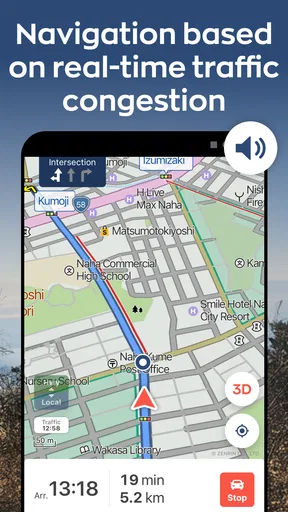
Connectivity matters most when plans change. If I am deciding whether to leave now, switch routes, or wait for a different train, I want current information rather than a plan I checked hours earlier. I would therefore look up the next leg while I still have a connection, then keep the destination and route details easy to revisit. A planned route is a helpful starting point, not a promise that conditions will stay the same.
Using it on the move
Japan travel often means shifting between a hotel, a busy station, a train, and a neighborhood on foot. I find it easier to plan a day in manageable chunks than to rely on one elaborate itinerary: choose the next stop, check how to reach it, and leave room to adjust once there. This is particularly useful when a group has different priorities or when an attraction takes longer than expected.
For example, imagine a morning in Tokyo followed by a planned afternoon visit elsewhere. I would check the rail portion before leaving the hotel, make sure I understand the next connection, and revisit the route before boarding if our morning runs late. That small habit reduces the chance of treating an earlier plan as current information. It also helps me decide whether a detour is realistic instead of squeezing another stop into a day that is already full.
When plans or service conditions shift
A navigation app can make a complicated journey easier to think about, but it cannot remove the need to pay attention. If a train is delayed, a platform changes, or I miss a connection, I would check the latest route information again rather than blindly following the original sequence. At a crowded station, I would also confirm signs and announcements on site; a phone screen is useful guidance, not a substitute for local instructions.
This is where I would avoid relying on a single screen as my entire contingency plan. Before a long journey, I would note the important destination names and allow enough time to recover from a missed train. If mobile data becomes unreliable, I would use station information and staff assistance while I regain access to the app. That is a sensible travel habit, not a claim that every function will work without a connection.
Worth Reading Before You Choose

EA SPORTS FC Mobile 26 Is a Bigger Football Game, but It Takes Time

Flipboard Shows What News Apps Must Do Beyond the Feed

Switching to Android Auto Means Rethinking Your Driving Routine

Google Calendar Makes a Crowded Week Easier to Manage

Ludo King Makes the Most of the Minutes Between Plans

Baby Panda World Brings Quick Play to Modern Phones, but Its Game Library Feels Busy
Keeping data use practical
Travelers using roaming or a limited data plan should be deliberate about when they consult route information. I would do the detailed planning over a reliable connection, then check again when a decision actually depends on current conditions. Avoiding repeated searches when nothing has changed can make phone use more manageable, especially on a long day of transfers.
I would also keep battery and connectivity in mind together. A phone that runs out of power is no help for checking a route, so I try not to leave every decision until I am already on a platform. If the plan includes several rail legs, checking the next one during a comfortable pause is often better than searching while walking through a busy station. The app works best as part of a travel routine, not as the only backup a traveler carries.
First Impressions
As soon as I launched the app, I was greeted with a sleek and intuitive interface. The design is minimalist, which I totally dig because it makes navigation a breeze. No need to fumble around—everything is right where you’d expect it to be. The home screen offers quick access to essential features like trip planning, transit routes, and rail passes. It's like having a local guide right in your pocket.
Planning Your Adventure
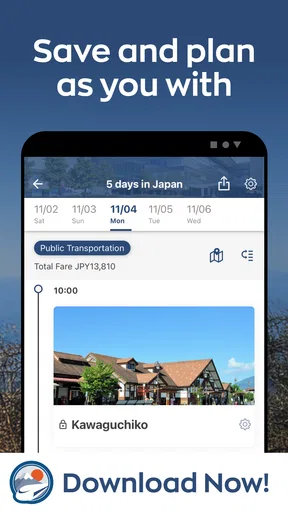
Let's talk about one of my favorite features: the trip planner. You can easily map out your entire itinerary from start to finish. Whether you're a first-time visitor or a seasoned Japan explorer, this feature is a game-changer. You can input destinations, and the app suggests the best routes and modes of transportation. I found it incredibly helpful for maximizing my time and ensuring I didn't miss any must-see spots. Plus, the app offers recommendations based on popular travel routes, which is perfect if you need some inspiration.
My practical tip is to treat that itinerary as a framework rather than filling every hour. I would group nearby stops together, then leave some breathing room for meals, queues, and unexpected discoveries. When a day involves a long rail leg, I would check the route before committing to a late reservation or another distant attraction. This approach makes planning more useful than simply collecting destinations: it helps reveal when a schedule is too ambitious.
Navigating Japan’s Transit System
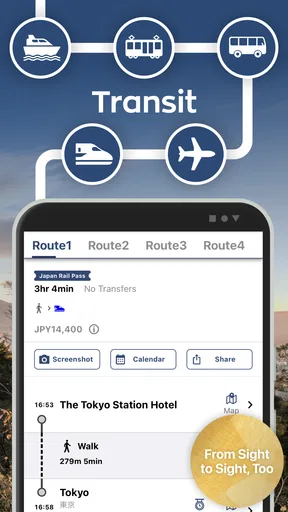
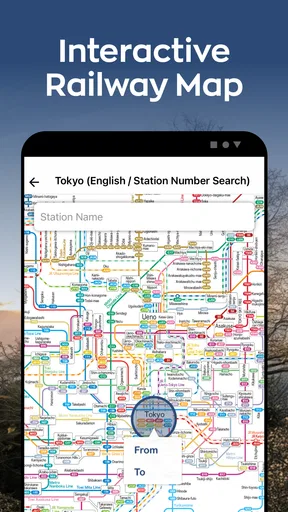
Now, if you've ever been to Japan, you know the transit system can be a bit daunting at first. But the Japan Travel–Trip,Transit&Rail app makes it a cinch. The transit feature provides real-time updates on train schedules, delays, and even platform numbers. I appreciated having this info at my fingertips, especially during rush hour when every minute counts. The app also supports offline access, which is a lifesaver when you're deep underground in the subway or have limited data.
For a visitor, the less obvious benefit of planning a route is learning what the journey asks of you before you start it. I would check the whole sequence rather than only the departure and arrival stations, especially when a route involves transfers. That makes it easier to notice whether a connection looks tight and to choose a less stressful option when time allows. In a large station, I would still follow posted signs and station announcements, because those are the on-site references to use if conditions change.
Unlocking the Rail Pass Magic
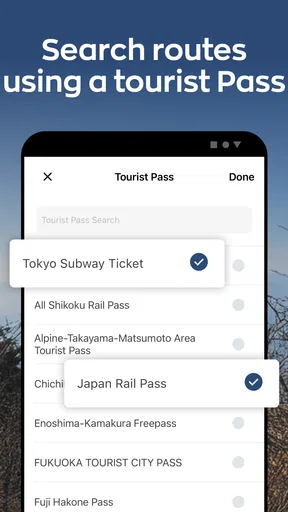
Alright, let's dive into the rail pass feature. If you're planning to explore multiple cities, a rail pass is your golden ticket. The app provides detailed information on various rail pass options, including pricing and coverage areas. You can even purchase your pass directly through the app. It’s straightforward and eliminates the hassle of queuing at the station. I found this aspect particularly convenient—no more scrambling to find a ticket office!
I would compare a pass with the actual journeys I expect to take before choosing one. A multi-city holiday may make pass research worthwhile, but a trip centered on one area can have different transport needs. The important question is not simply whether a pass exists; it is whether its coverage and terms suit the route I am planning. I would check those details carefully before buying and avoid assuming that every train or segment is included just because it appears in an itinerary.
Exploring Local Gems
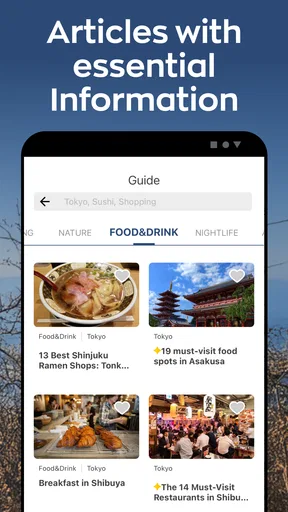
One of the coolest things about traveling is discovering hidden gems, right? The app's local attractions section is a treasure trove of information. It lists popular tourist spots and lesser-known locales, complete with reviews and tips from other travelers. It's like having a community of fellow adventurers sharing their secrets with you. I used this feature to stumble upon a quaint little café in Osaka that served the most amazing mochi!
I like using attraction ideas to shape a neighborhood outing, not as a reason to cross the city for every recommendation. If I find a place that sounds appealing, I would check how it fits with nearby stops and transit before changing the day’s plan. That keeps discovery spontaneous without turning it into a string of unnecessary journeys. Traveler tips can also reflect personal preferences, so I treat them as prompts to investigate rather than guarantees that a place will suit everyone.
Who will get the most from it
This is a particularly sensible choice for someone visiting Japan who expects to use rail regularly and wants a single place to think through routes and pass options. A first-time traveler may appreciate having the journey planning close at hand, while a returning visitor can use it to organize a multi-stop day or look into a longer intercity trip. The app is free to download, is rated for Everyone, and has a 4.6 average from around 13,000 ratings, which gives prospective users a useful sense of its broad reception without telling them whether it fits their own travel style.
I would be less inclined to make it my main tool if I were staying in one neighborhood and taking only occasional short trips, or if I already had a route-planning setup that worked well for me. Travelers who need every decision to be confirmed in real time should also keep station displays and announcements in the loop. Japan Travel is most useful when rail planning is a meaningful part of the trip, not when the journey is already simple enough that another app adds little.
How it fits beside familiar alternatives
Compared with opening a general map for every journey, this app’s Japan rail and JR Pass emphasis gives it a more focused role: it helps connect sightseeing plans with transit decisions. A general map may be more convenient when I mainly need to orient myself on foot or find a nearby place, while a transit-focused tool is the one I would reach for when the route itself is the hard part. I see Japan Travel as a planning companion rather than a reason to uninstall every other navigation option.
That distinction matters on a real trip. I might use this app to work out how a rail journey fits into the day, then rely on station signage to make the final platform decision and a general map for the last walk to a destination. Using tools for the jobs they handle best is less confusing than expecting one app to cover every detail of travel equally well.
Cost, access, and sensible expectations
The app is free, with optional in-app purchases listed from $7.49 to $109.99 per item. I would check what a purchase covers and whether it matches my plans before paying, particularly if my trip is short or I only need basic route guidance. The current version is 10.16.0, and it has been available since September 30, 2013; it requires OS 9 or later. Those details make it easier to judge whether the app is a fit for your device and budget without mistaking optional purchases for a requirement to begin using it.
Its scale is also notable: it has over one million installs and 322 written reviews. Those figures suggest that it has reached a substantial travel audience, but they are not a substitute for checking whether its approach suits your itinerary. I would install it before departure, try planning a representative journey, and make sure I understand how I will check routes when connectivity or service conditions change.
Final Thoughts
So, is the Japan Travel–Trip,Transit&Rail app worth downloading? In my opinion, absolutely. It's a comprehensive tool that simplifies the complexities of traveling in Japan. From planning your itinerary to navigating the intricate transit system, it covers all the bases. The app is user-friendly, packed with useful features, and genuinely enhances the travel experience. Whether you're a meticulous planner or a spontaneous explorer, this app is a trusty sidekick for your Japanese adventure.
Ready to explore Japan with confidence? Check out the app, and happy travels!
My connectivity verdict
I would use Japan Travel as a strong planning aid for a rail-centered visit, while staying realistic about what a phone can do in a busy station or during a disrupted journey. Its value is clearest when I can check a route before setting out, understand how rail travel fits into a day, and revisit the plan when circumstances change. For dependable travel, I would pair that convenience with attention to local signs, a little schedule flexibility, and a backup plan for moments when mobile access is not available.
Pros
- Comprehensive city guides included.
- Offline maps save data usage.
- Easy rail pass integration.
- Multilingual support available.
- Detailed itinerary planner.
Cons
- Some features require internet.
- Occasional map inaccuracies.
- Limited restaurant reviews.
- Interface can feel cluttered.
- Subscription needed for full access.
FAQs for Japan Travel–Trip & Shinkansen
What features does the Japan Travel–Trip, Transit & Rail app offer?
The Japan Travel–Trip, Transit & Rail app provides a comprehensive suite of features for travelers in Japan. It includes real-time transit information, a trip planner, offline maps, and cultural tips. Users can explore detailed guides on attractions and find recommendations for restaurants and accommodations, making it an essential tool for both first-time visitors and seasoned travelers.
Is the app available offline, and how can I access features without internet?
Yes, the Japan Travel–Trip, Transit & Rail app offers offline functionality. Users can download maps and guides before their trip, ensuring they have access to crucial information without needing an internet connection. This feature is particularly useful for navigating areas with limited connectivity, allowing for seamless travel experiences.
How accurate is the transit information provided by the app?
The app provides highly accurate and up-to-date transit information, including train schedules, route suggestions, and estimated travel times. It sources data directly from Japan's extensive rail networks, ensuring reliability. Users can plan their journeys confidently, knowing they are receiving the most current transit updates available.
Does the app support multiple languages, and how user-friendly is it for non-Japanese speakers?
Yes, the app supports multiple languages, including English, which makes it extremely user-friendly for non-Japanese speakers. The intuitive interface and clear navigation aid users in finding information quickly, while language support ensures that travelers from around the world can comfortably use the app without language barriers.
Are there any costs associated with using the Japan Travel–Trip, Transit & Rail app?
The app is free to download, and many features are available at no cost. However, there may be premium features or in-app purchases for enhanced functionality or additional content. Users should review the app's pricing details on the app store to understand any potential costs associated with their travel needs.


